
Dr. Almus McDowall Explains How this Deadly Disease Can be stopped in It’s Tracks Using The Pulp And Rinds of Citrus Fruits.
For over fifty (50) years scientists have been trying to find a cure for cancer and after spending billions of dollars on research, We are no further away from the same old mustard gas derivative Chemotherapy and Radio Therapy (radiation).
First of all chemo and radiation are not very effective against solid tumors. Most solid tumors have a protective banner that prevents these treatments from breaking through this barrier. Before I continue to explain why chemotherapy and radiation do not work against solid tumors, I need to explain the main reasons behind this overlooked phenomenon called anti-angiogenics.
There is a new emerging science called glycobiology. This new revolutionary research field is demonstrating significant results in animal and human studies using MCP (Modified Citrus Pectin) In human and animal trials MCP has shown some positive results against some of the most common and deadly kinds of cancer like prostate, breast, colon, and lung.
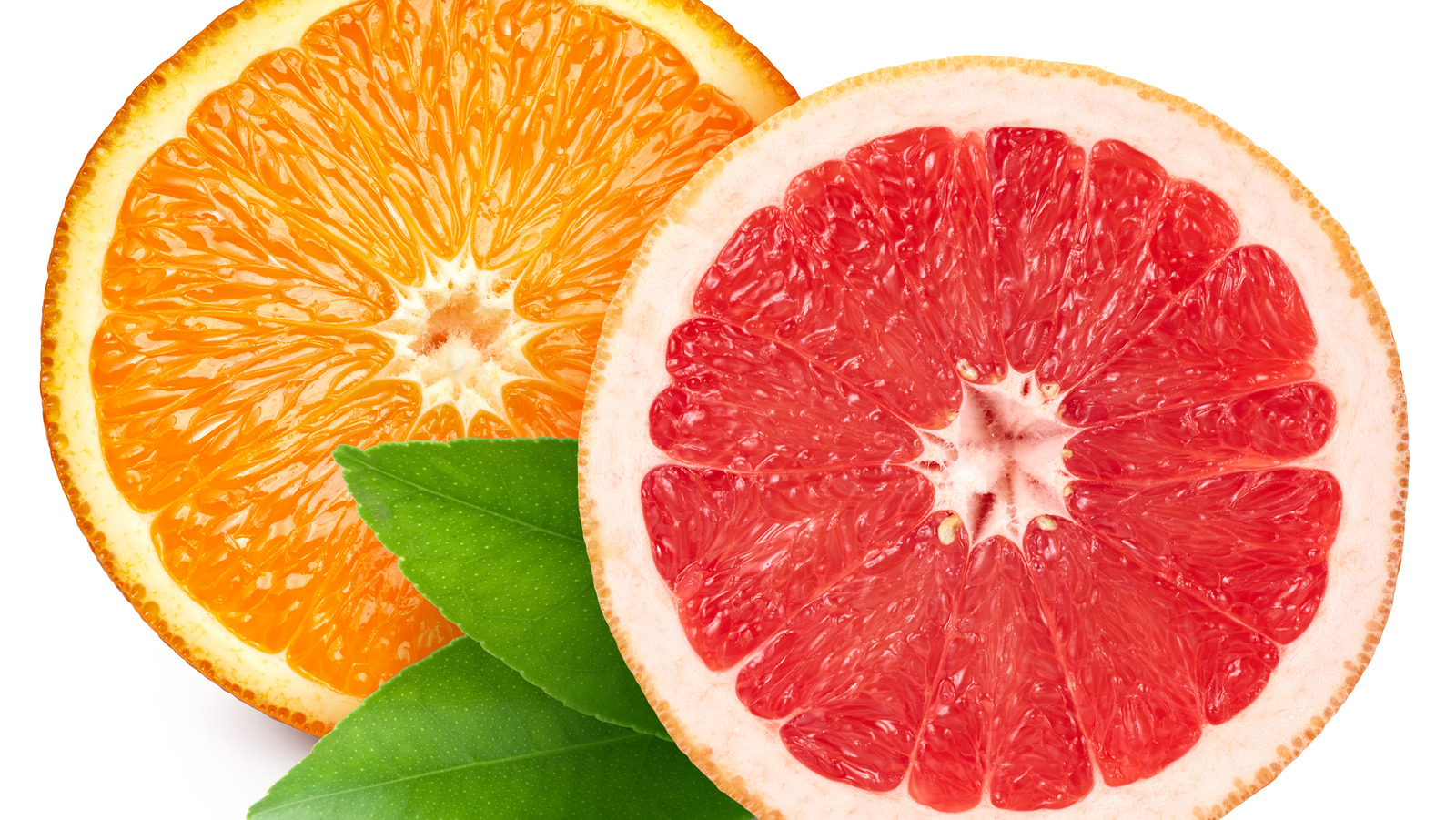
MCP comes from pulp and rinds of citrus fruits like oranges and grapefruit that have been modified to produce shorter carbohydrate chains. These shorter sugar chains are easily absorbed through the intestinal tract into the bloodstream where they can inhibit metastasis or the spreading of cancer cells. Sugar chains which are also known as Glycens are critical to cellular communications.
They bind to molecules called Carbohydrate-Binding Proteins (CBPS) or Lectins also known as CBPS and pass along all sorts of information. In this case, the sugar chain in MCP seems to target one specific lectin called galectin3. This lectins called galectin3 is responsible for cancer development. Studies have shown elevated levels of galectin3 in cancerous tissues as compared to healthy tissues. The galectin3 cancer link has been found in many forms of cancer, such as thyroid cancer, gastric cancer, breast cancer, prostate cancer, and colorectal cancer. Galectin3 plays a role in a variety of biological functions related to cancer including tumor cell adhesion, angio-genics apoptosis, and metastasis’. For the first time, scientists who are dedicated to glycobiology research can explain why cancer spread from one part of the body to other parts.
Most cancer researchers are not interested in finding a natural cure for cancer. A natural cure for cancer means that billions of dollars that are collected every year will be cut off and these highly paid researchers might have to find lower paying jobs. So finding a cure will also put millions of people out of work.
Let us look at how this galectin3 protein molecule works. Some scientists think that galectin3 accomplishes its actions in two different ways, by utilizing one end of its protein molecule structure. There are two ends of this molecule structure. One end is called the C-terminal end, which binds carbohydrate molecules on other cells allowing cancer cells to adhere to each other and to healthy cells.
This process allows cancer to spread or metastasize. On the other hand, the opposite end of the galectin3 molecules is called the N-terminal. When a specific amino acid called serine binds to galectin3 molecule in a certain position on the N-terminal end it triggers a series of biochemical reactions that protect the cancer cells from death or apoptosis.
This galectin3 molecule kills off Immune System cells that are attempting to attack the cancer cells and also forms a protective barrier around the cancer cells shielding them from the effects of anti-cancer drugs and treatments like chemotherapy or radiation.
This is how MCP, from grapefruit pulp and orange rinds, works to arrest cancer cells. MCP sugar molecules block the protein’s ability to bind carbohydrates on other cancer cells and on healthy tissues by binding it to the galectin3 carbohydrate receptor sites at the C-terminal end themselves.
With their binding sites, all clogged up cancer cells cannot clamp together and cannot metastasize by adhering to other areas. It is a perfect example of the sugar chain anti-adhesive properties.
This study was co-authored by Dr. Stephen Strum, M.D a Medical Oncologist.
Dr. Almus McDowall is a graduate of Wilfred Laurier University in Canada. He holds a Naturopathic Degree from Dr. Clayton College of Natural Medicine. He also has a Degree in Chinese Medicine and Acupuncture