Doctors are celebrating the “unprecedented” trial results of a cancer treatment that’s managed to eliminate tumors in some patients who have proven resistant to other treatments.
The injection, called amivantamab and developed by Johnson & Johnson, was tested in an 11-nation clinical trial in which it was administered to patients whose cancer had either spread or returned after other treatments failed.
Tumours shrank in more than a third of patients, with notable changes recorded only weeks after it was administered. In 15 patients, doctors reported that the injection had eradicated their tumours.
“These are unprecedentedly strong responses in patients whose disease has become resistant to both chemotherapy and immunotherapy,” Kevin Harrington, professor in biological cancer therapies at the Institute of Cancer Research, London, told The Guardian. “This is a group of patients for whom treatment options are extremely limited, so seeing this level of benefit is very striking.”
The results of the trial will be presented on Sunday during the American Society of Clinical Oncology annual meeting in Chicago.
According to Harrington, the drug “has the potential to benefit many thousands of patients each year.”
The trial included 102 patients with head and neck cancer, which is the sixth most common form of cancer. In 43 patients, tumors either shrunk or completely disappeared. Of that group, 28 saw their tumors shrink and 15 had their tumors disappear completely.
In addition to head and neck cancer, the drug has reportedly had similar results in patients with certain types of lung cancer.
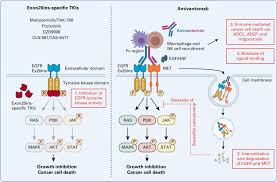
Amivantamab works by targeting a protein that helps tumors grow and by blocking a pathway used by cancer cells to resist treatment. It additionally points the immune system at the tumor, activating the body’s natural defenses to assist in treatment.
amivantamab Injection Which destroys cancer tumours
According to the researchers, patients receiving the drug lived for a median of 12.5 months after starting treatment despite having a cancer with poor prognoses after treatments stopped working.
Carl Walsh, 56, who was diagnosed with tongue cancer in May 2024 and joined the trial in July 2025, told The Guardian that he has been “very pleased with the progress” since he began using the drug.
“I now feel able to live a normal life. Before starting the trial, I struggled to speak properly and found eating difficult because of the swelling and pain,” he told the paper.
The drug is now being tested in approximately 60 clinical trials which are primarily focusing on its ability to combat lung cancer, but it is also being used to treat colorectal, brain, and gastric cancers.
Tupac Shakur’s brother has launched a civil lawsuit against Duane “Keefe D” Davis, who’s accused of the drive-by shooting of the rap icon 30 years ago – charging his murder was part of a massive “conspiracy” involving scores of others, a published report reveals.
Maurice Shakur claimed in a wrongful death lawsuit filed in L.A. a new Netflix documentary series, Sean Combs: The Reckoning, about jailed sex offender and record mogul Sean “Diddy” Combs, and new grand jury testimony have “revealed the existence of a broader, more complex conspiracy to murder Tupac.”
The lawsuit seeks to expose additional individuals allegedly tied to the killing.
The suit alleges 61-year-old Davis, who is set to go on trial for murder in August, and as many as 100 unnamed co-conspirators were involved in Tupac’s murder.
“Many individuals who were involved have long since passed away, while others have been hard to identify,” the suit claims. “One thing is certain: there remain individuals who were involved in Tupac’s murder who, for 30 years, have not been held accountable for their crimes.”
In addition to damages, Maurice’s lawsuit aims to identify the co-conspirators and uncover the “nature and extent of each individual’s involvement” – and the identities of additional individuals “who were involved. His lawyers expect to identify more defendants “through discovery.”
The filing also highlights Kirk Burrowes, founder of Bad Boy Records with Combs, saying in the docuseries about Combs: “I think that Sean, now, in my mature mind, had a lot to do with the death of Tupac.”
Combs, 56, has not been tied to Tupac’s demise and has long denied any involvement in the murder.
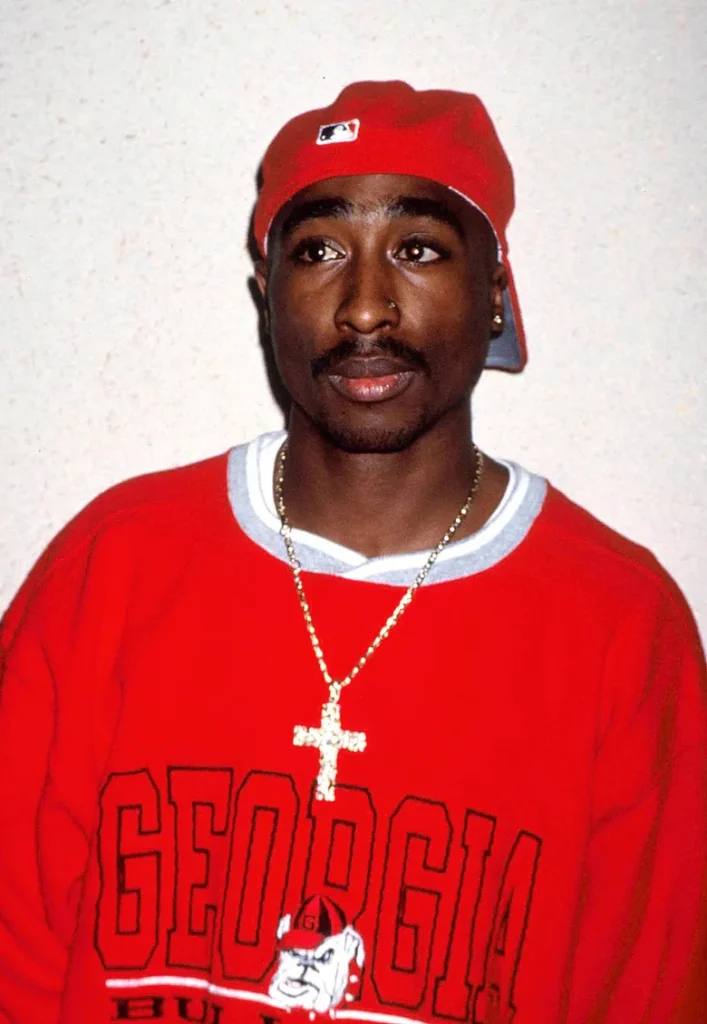
Rap legend Tupac Shakur
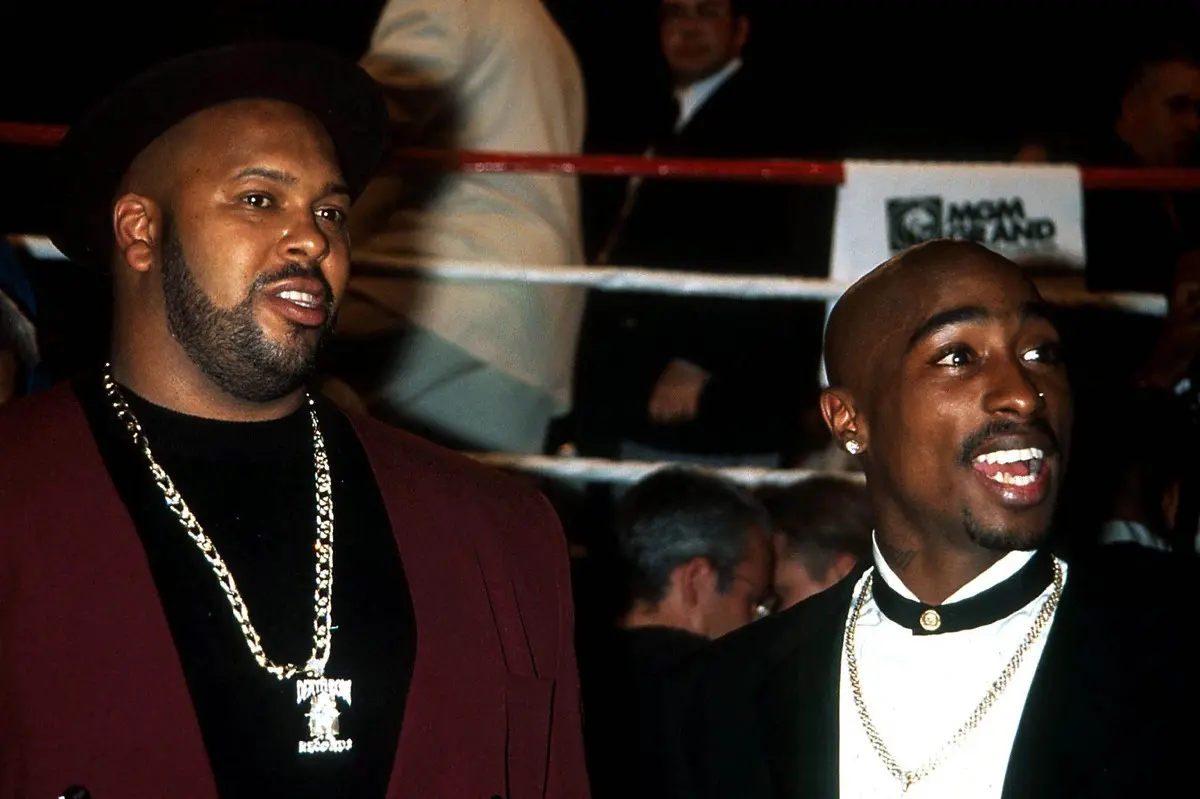
Tupac, 25, was fatally wounded while riding in a BMW with Death Row Records kingpin Marion “Suge” Knight after attending a Mike Tyson fight in Las Vegas on Sept. 7, 1996.
The rapper’s ride was stopped at a red light on the Strip en route to an after-party when a white Cadillac eased up beside it and eight shots were fired.
Tupac was hit by four and died at a hospital days later and the case has remained unsolved.
But in 2023, Vegas lawmen busted Davis and charged him with being the “on the ground, on-site commander of effort to kill Tupac” as revenge for a previous fight the rapper had with Davis’ nephew, Orlando “Baby Lane” Anderson.
Davis has pleaded not guilty and his trial is now set for August.
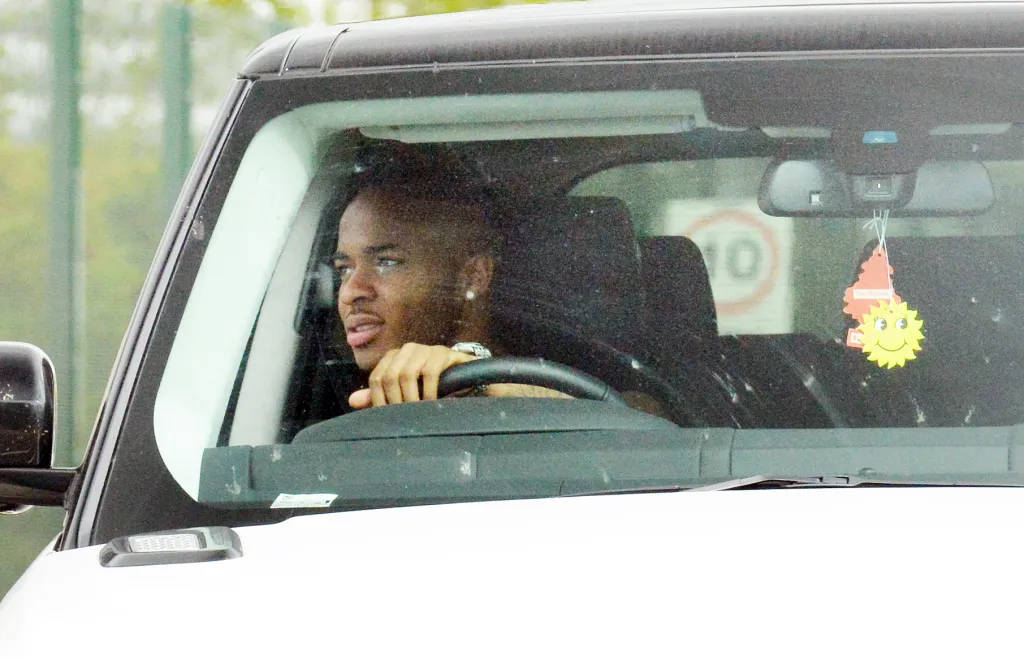
Raheem Sterling has been arrested on suspicion of drug-driving after he allegedly crashed his car into motorway barriers.
The former England winger, who most recently played for Feyenoord in the Dutch Eredivisie, is suspected of crashing his Lamborghini into barriers on the M3 in Hampshire on Thursday morning.
The 31-year-old has been released on bail pending further enquiries.
In a statement, Hampshire Police said: “Just before 9am on Thursday, we received reports that a Lamborghini was in collision with barriers on the M3 southbound, close to the Minley Interchange.
“No other vehicles were involved and no injuries were reported.
“The driver, a 31-year-old man, from Berkshire, has been arrested on suspicion of driving a vehicle whilst unfit through drugs, driving dangerously, possession of a Class C drug and failing to provide a specimen. He has been bailed while our enquiries continue.”
A source close to Sterling confirmed the arrest but told BBC Sport there was “no proof” of drugs in his system.
The source added the player had faced “an extremely tough couple of years” and had been made to “feel worthless” and “forgotten about”.
Sterling joined Feyenoord in February on a deal until the end of the season, having left Chelsea in January, but made just eight appearances in the Netherlands.
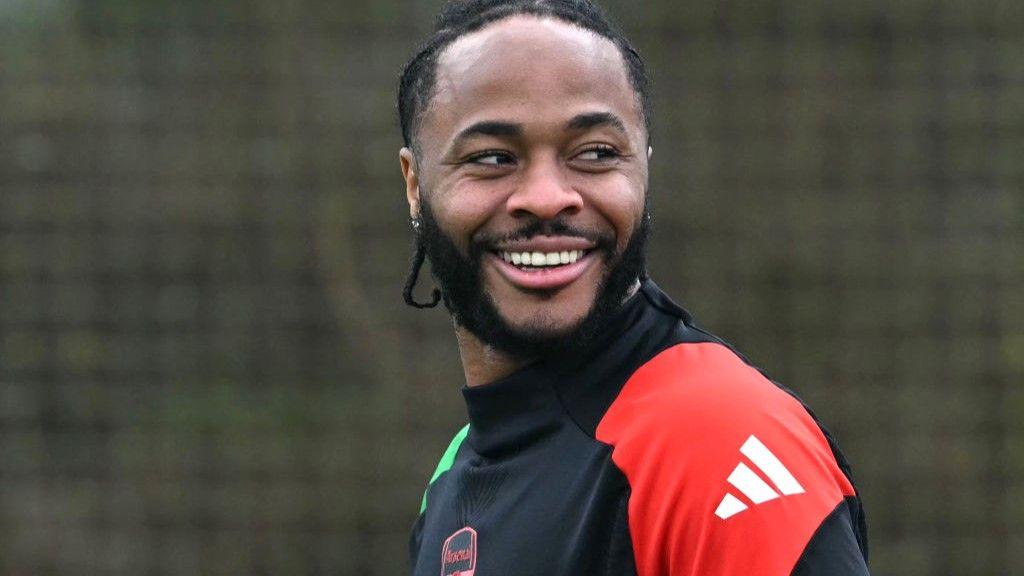
England International Raheem Sterling in Car
He left the Blues by mutual consent after agreeing a settlement package with the Stamford Bridge club over the final 18 months of his contract, worth in excess of £300,000-per-week.
In four years at Chelsea – including a season-long loan at Arsenal – he made just 59 league appearances after signing from Manchester City in 2022.
With City he won four Premier League titles, having started his senior career with Liverpool before moving to Manchester in 2015.
Sterling has 82 England caps, the last of which was won at the 2022 World Cup in Qatar.
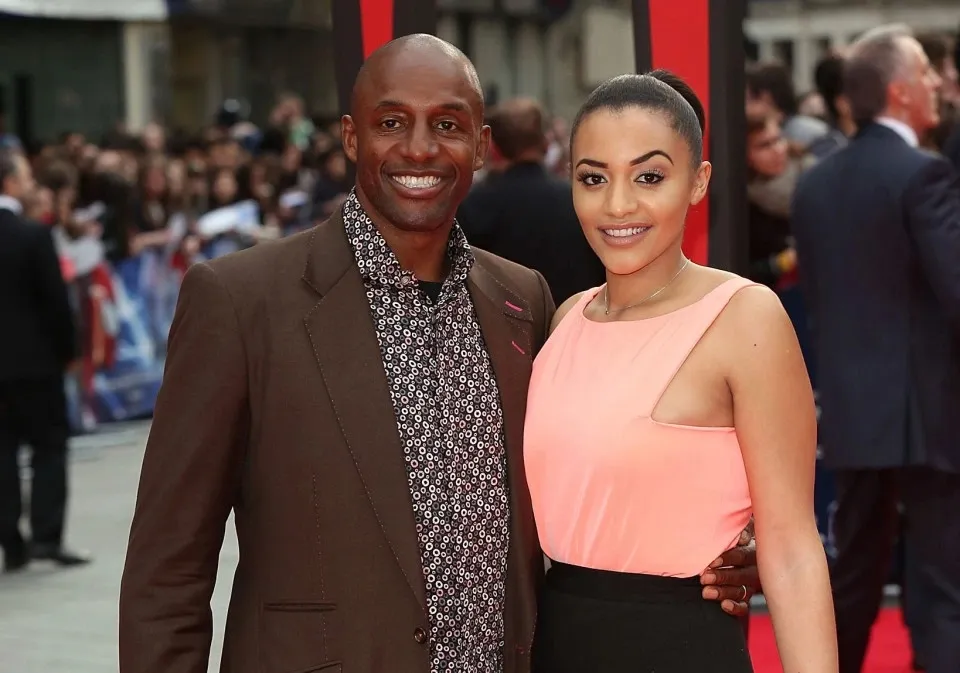
Former Aston Villa and England footballer, John Fashanu, has refuted claims that he is not in good health and of sound mind.
Amal Fashanu,37, who is getting married to West African billionaire Mohamad Odaymat in a few days time revealed that the British television presenter who spent eight-years with Wimbledon FC in which he won the FA Cup in 1988 and scored over 100 goals in all competitions “has been laid low by a mystery condition which she believes may be connected to him heading thousands of balls during his 17 year professional career.
The fashion designer and filmmaker who is the footballer’s daughter with Spanish model Marisol Acuña Duenas, said that she hopes her dad who has been living in Nigeria, for the past 13 years, will be fully recovered in time to be one of the guests of honour on the biggest day of her life.
Describing the reports that his health is deteriorating or that he suffers from any medical condition as false, the former striker said that he is in good health and is doing well.
“Contrary to what has been suggested, Amal has not been visiting Nigeria every weekend for the past three months. In fact, she visited me in Nigeria for the first time a fortnight ago, during which she introduced a man she referred to as her husband.
“She has not been managing my affairs, properties, or professional engagements in any capacity. She has never acted as my agent, and several statements published about our relationship are untrue,” he said.
John Fashanu’s daughter Amal Fashanu
He further debunked her claim that he had been married five times, stating that he is currently with his third wife, Vivian, whom he loves dearly.
“While I will always love my daughter, it is deeply painful and disappointing to see inaccurate and damaging statements made publicly.
“My lawyers are currently reviewing the publications and considering the legal implications of the false claims that have been made,” Mr Fashanu wrote.
The veteran footballer went ahead to accuse his daughter of trying to defame him.
“I don’t have any issues with my head. When I go to sleep, I sleep very well. There’s no problem. When I’m running, and I’m still playing football, people are amazed that I’m still scoring goals.
“So one or two of these things must be refuted because they’re not true.
“My daughter is the cause of it. My daughter has said untrue things—defamation of character. I’m sorry to say, but that’s my daughter. So please, when you’re getting any reading, or you’re seeing anything about John Fashanu, know John Fashanu’s brain is still there, and I am still alive,” he added.
Three women whose bodies were recovered from the sea off Brighton beach were all sisters in their 30s, police revealed.
Emergency services were called to Brighton seafront at around 5.45am last Wednesday, where three bodies were then found in the water.
Sisters Jane Adetoro, 36, Christina Walters, 32, and Rebecca Walters, 31, from the Uxbridge area, north west London, were named by Sussex Police on Wednesday.
In a statement released via the force, their father Joseph said losing his daughters “has left an emptiness that words cannot heal”.
“No words can truly describe the pain of losing three daughters in the prime of their lives,” the statement read.
“Jane, Christina, and Becky were more than daughters to me; they were my joy, my strength, and the beautiful light that filled our family with happiness and love.”
Describing each of his children as “unique and precious in your own special way”, Joseph added: “Your smiles brightened dark days, your laughter brought comfort, and your presence made life more meaningful.
“Though your time on earth was short, the impact you made will remain in our hearts forever.
“Jane, your strength and loving spirit will never be forgotten. Christina, your kindness and beautiful heart touched so many lives. Becky, your warmth and joyful soul brought happiness wherever you went. You were deeply loved, and you will always be deeply missed.”
He continued: “The tragedy of losing all three of you has left an emptiness that words cannot heal. There are days when the grief feels unbearable, yet I hold tightly to the memories we shared – the laughter, the conversations, the love, and the bond that death can never take away.
“Though you are no longer here beside us, your spirits live on in our hearts every day. Love like yours never dies. You will forever remain a part of our lives, our prayers, and our memories.”
An investigation into how the women ended up in the water is ongoing. Police have said there is “no evidence to suggest third-party involvement or criminality” at this time.
The force is appealing for anyone with information to come forward, particularly members of the public who may have seen the women around the Madeira Drive area of Brighton between 10pm on Tuesday 12 May and 5.30am the following day.
Chief Superintendent Adam Hays, divisional commander for Brighton and Hove, said: “I’d like to reassure the public we will leave no stone unturned in our investigation to understand exactly what led to the tragic events of that Wednesday morning.
“This investigation will continue in earnest, with Jane, Christina and Rebecca’s family at its centre. I would ask that they are given the privacy to come to terms with this terrible tragedy.”
A former British soldier has been arrested on suspicion of murder following the death of a woman in St Lucia.
Police said they were called to an area in Marigot Bay where the classic 1967 film Dr Doolittle starring Rex Harrison was filmed, at around 6:30 on Wednesday night where a woman was found deceased in the driver’s seat of a vehicle.
A formal identification process was completed, and it is believed that the decease is Joy St.Omer,24,from the local area.
Officers arrested a man on suspicion of murder who surrendered himself in a few hours later and he remains in police custody.
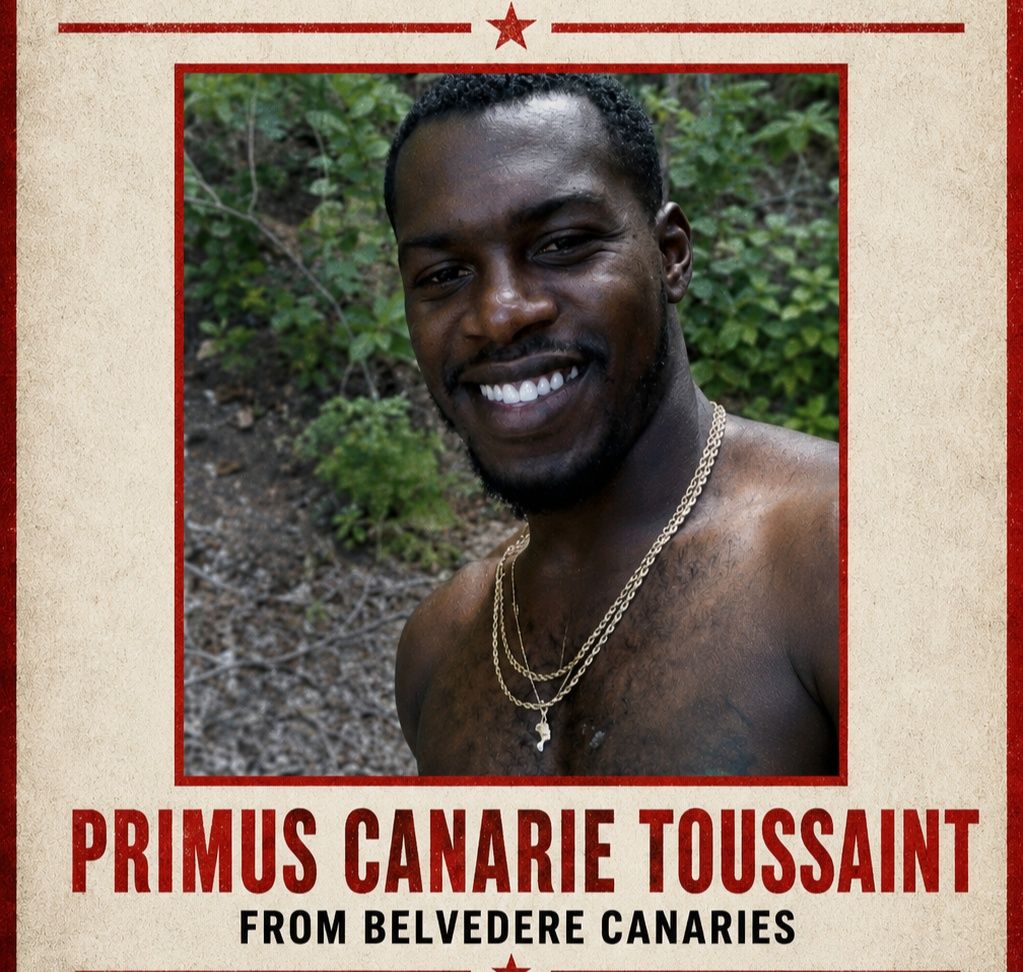
Police said that Primus Toussaint,28, believe to be the estranged husband of the deceased handed himself in without incident.
In a statement, the Royal St Lucia Police Force confirmed: “There was an existing protection order in favour of the victim against the suspect at the time of the incident. Additionally, there was an active matter before the court concerning alleged breaches of that protection order.”
“On Sunday, March 8, 2026, a report of assault involving the suspect was made to the Anse La Raye Police Station. Following investigations, the suspect was arrested and subsequently charged on March 13, 2026, for the offences of harm, threatening words, and violation of a protection order. He was brought before the First District Court, where bail was denied. The suspect later applied for bail at the High Court and was granted bail.”
A family source from the village of Canaries, in the Western part of the island where the accused who served for many years in the British army was living said that this was an incident waiting to happen. ” The man had threatened to do her and he was caught on tape threatening her. She wanted out of the toxic relationship but he was having none of it.” said the source who will only give her first name as Esore.” This man should have been kept under lock and keys and none of this would have happened after she reported him before to the cops.” Adds the source ” She was a very beautiful girl and this should not have happened to her.”
Police also confirmed that the last report made by the victim was lodged at the Anse La Raye Police Station around 8:30 a.m. on the day of her killing. Following that report, searches were conducted to find the suspect but the RSPL said he was not found at the time.
The fatal shooting is now under investigation by the Major Crimes Unit.
Murder suspect Primus Toussaint — Ex British soldier
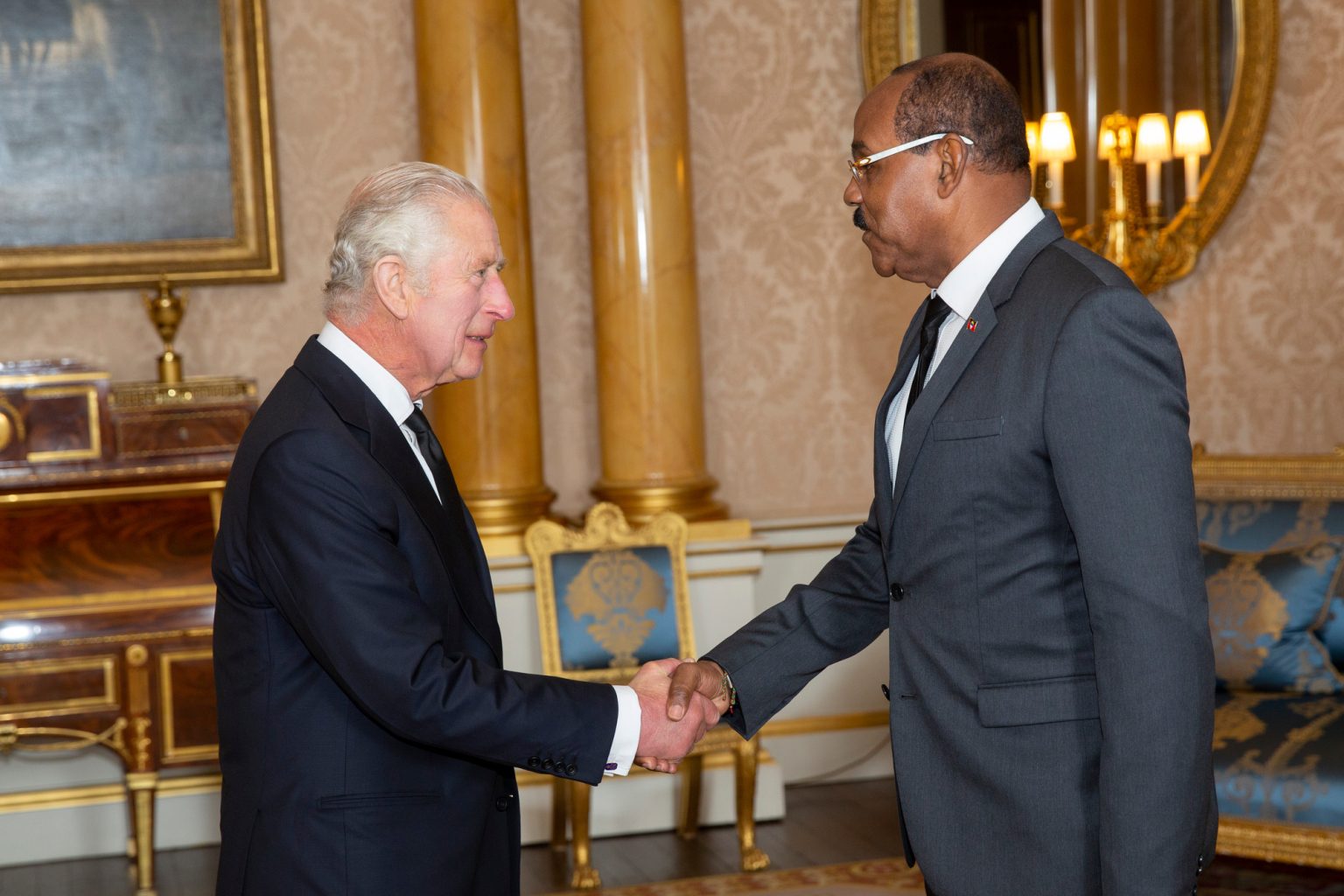
Antigua and Barbuda has become the latest Caribbean nation to loosen its formal ties to the British monarchy after introducing a new oath of allegiance that no longer requires loyalty to King Charles III.
Members of the country’s newly elected Cabinet were sworn in this week using revised wording that pledges allegiance to Antigua and Barbuda, its Constitution and its people, instead of the British Crown.
The change follows a constitutional amendment passed by Parliament and marks a historic first for the twin-island nation, which remains part of the Commonwealth.
Prime Minister Gaston Browne said the move reflects a growing sense of national identity and independence, describing it as an important step in strengthening the country’s sovereignty.
Under the old oath, ministers and public officials were required to swear loyalty to “His Majesty King Charles III, his heirs and successors.” The updated version instead commits officeholders to serve the state of Antigua and Barbuda and uphold its laws.
The decision has reignited wider discussions across the Caribbean about republicanism and the region’s historical relationship with Britain. Several nations, including Barbados, have already moved away from the monarchy in recent years.
Antigua and Barbuda has previously indicated it could eventually hold a referendum on becoming a republic, particularly following the death of Queen Elizabeth II in 2022.
Despite the constitutional change, King Charles III remains the country’s head of state for now, represented locally by the Governor-General.
The development is being seen by many political observers as another sign of the Caribbean’s continued push toward greater constitutional independence and self-determination.
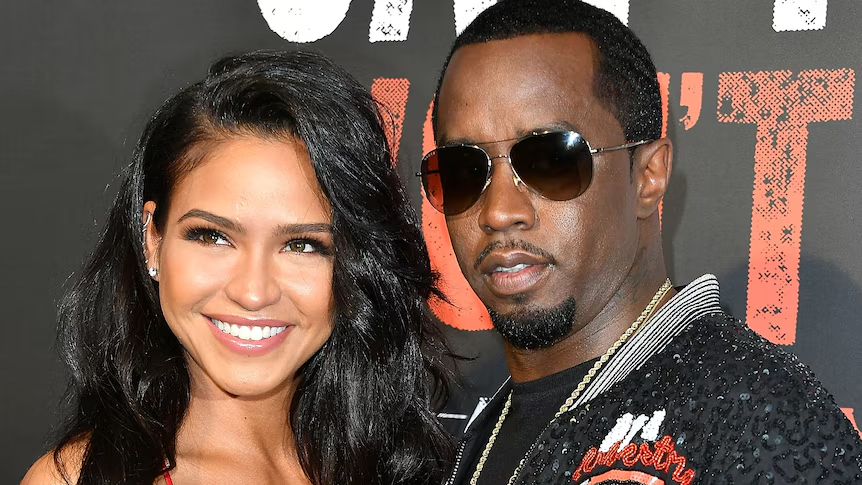
Sean ‘Diddy’ Combs could become a free man again. The media mogul may have only been behind bars a few months, but a legal loophole could mean he is released later today. According to his lawyers, the infamous “freak-offs” held by Diddy actually fall under the First Amendment.
It was previously reported that Diddy’s release from prison would happen sooner than originally expected. But the disgraced rapper could be back on the streets today.
His legal team are due to appeal in federal court today, and their argument could actually set him free. Why? Because they’re claiming the events that occurred at Diddy’s parties constituted porn – and didn’t actually break any laws.
It could be a strong argument, given that porn is protected by the U.S. Constitution. The rapper – who recently made a huge sale despite being behind bars – was charged with transporting prostitutes across state lines for sex. But according to Diddy’s lawyers, those charges aren’t actually relevant.
A statement from Diddy’s defense says: “Freak-offs and hotel nights were highly choreographed sexual performances involving the use of costumes, role play, and staged lighting which were filmed so Combs and his girlfriends could watch this amateur pornography later. Pornography production and viewing of this sort is protected by the First Amendment and thus cannot constitutionally be prosecuted,”
Diddy was previously acquitted of the more serious charges of racketeering and sex trafficking. Prosecutors say the argument against his conviction is “meritless.” But his lawyers also claim that the sentence he was given – 50 months – is much higher than the typical sentence based on sentencing guidelines, which is around 15 months.
Diddy is currently due for release in 2028, having already served 19 months.
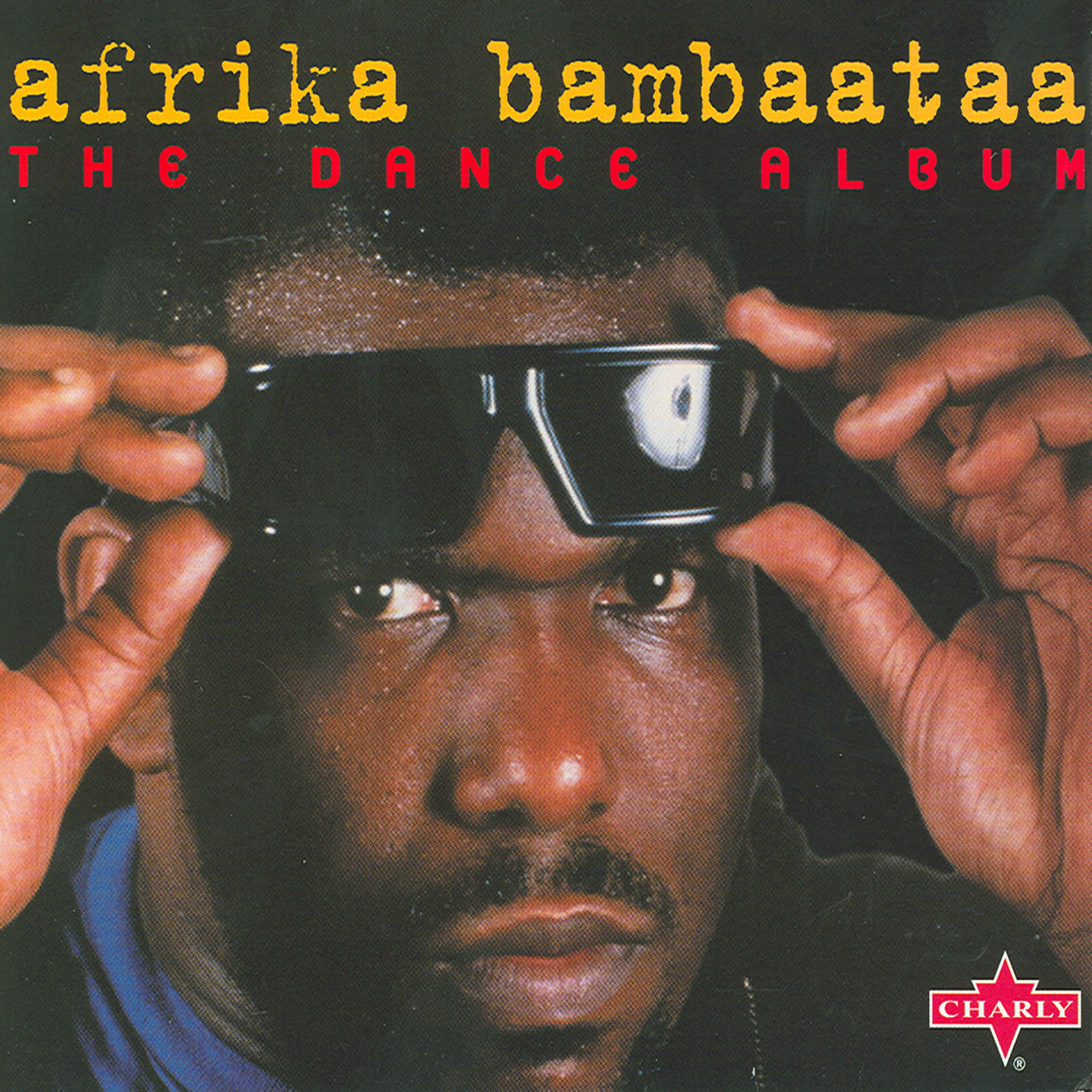
Rapper Afrika Bambaataa, seen as one of the pioneers of hip-hop, has died from prostate cancer aged 68, his management company has said.
Bambaataa, best known for tracks like his 1982 global hit Planet Rock, and for founding the Universal Zulu Nation art collective, died in Pennsylvania, Naf Management Entertainment said on Tuesday.
In its statement on Instagram, Naf said hip-hop would “never be the same without him”.
The company added: “Everything hip hop is today, it is because of him. His spirit lives in every beat, every cypher and every corner of this globe he touched.”
Born Lance Taylor in 1957, Bambaataa, of Jamaican and Barbadian heritage, was brought up in The Bronx, New York City, by his mother, whose record collection inspired his early love of music.
A fan of Kool Herc, who is often considered the father of hip-hop, he began experimenting with re-mixing old hits as a DJ in the early 1970s, he said in an interview in 1998.
His fame grew through the decade, and into the 1980s with the popularity of the genre, leading to the release of a series of electro tracks that helped shape hip-hop and electro-funk.
Bambaataa was also one of the first DJs to use beat breaks, incorporating the iconic Roland TR-808 drum machine.
He put his success down to rapid-fire changes in what he was playing, saying that, while “other DJs would play they great records for 15, 20 minutes. We was changing ours every minute or two. I couldn’t have no breakbeat go longer than a minute or two”.
He later set up the Zulu Nation art collective, whose name he changed to Universal Zulu Nation to signal the inclusion of “all people from the planet earth”.
In 2016, Ronald Savage, a former music industry executive, accused Bambaataa of abusing him in 1980, when Savage was a young teen, saying: “I was scared, but at the same time I was like, ‘this is Afrika Bambaataa’.”
Bambaataa vehemently denied the claims, but other men made similar allegations.
In June 2016, the Universal Zulu Nation publicly apologised to “the survivors of apparent sexual molestation by Bambaataa”, saying that some members of the group knew about the alleged abuse, but “chose not to disclose” it.
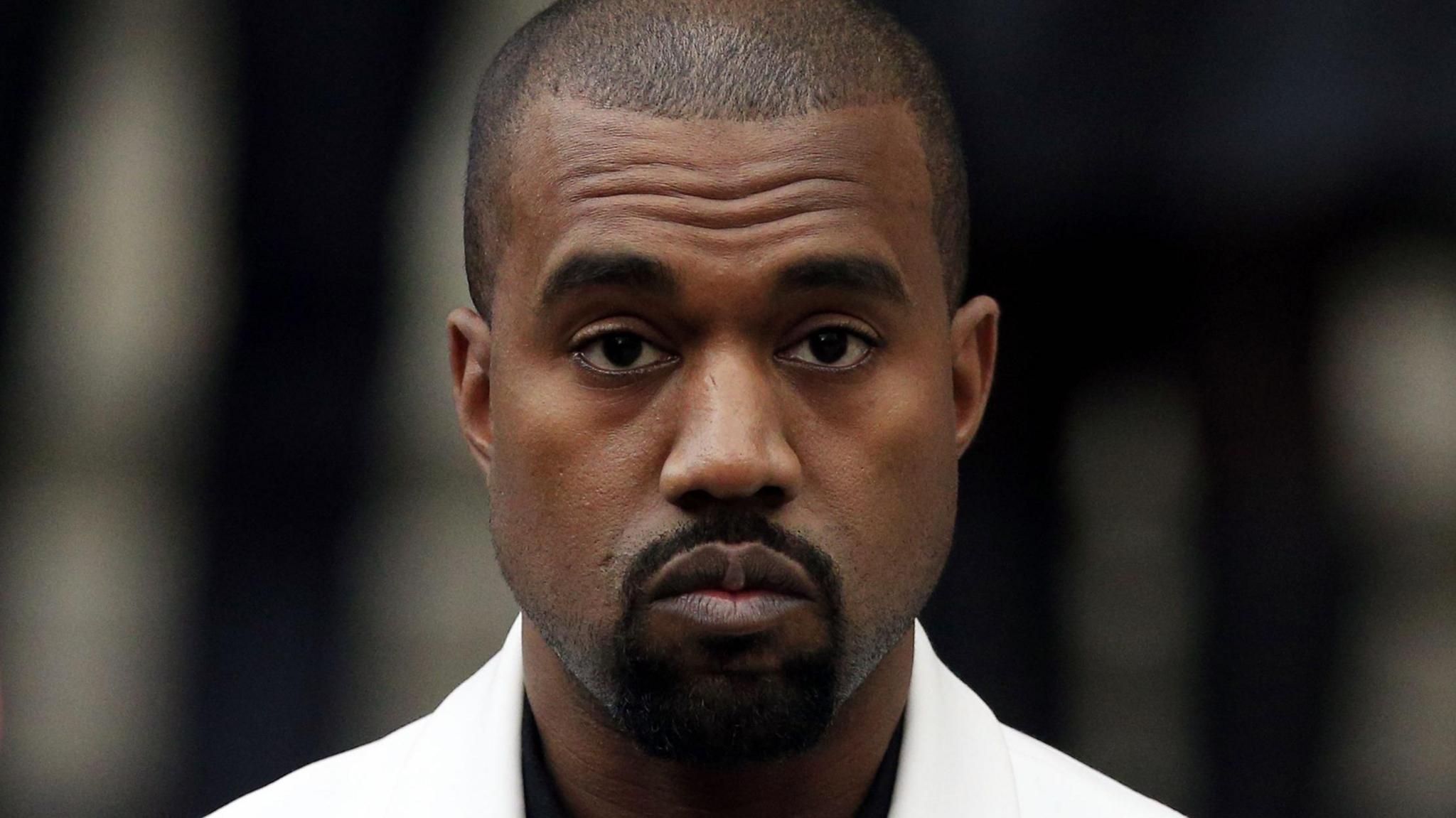
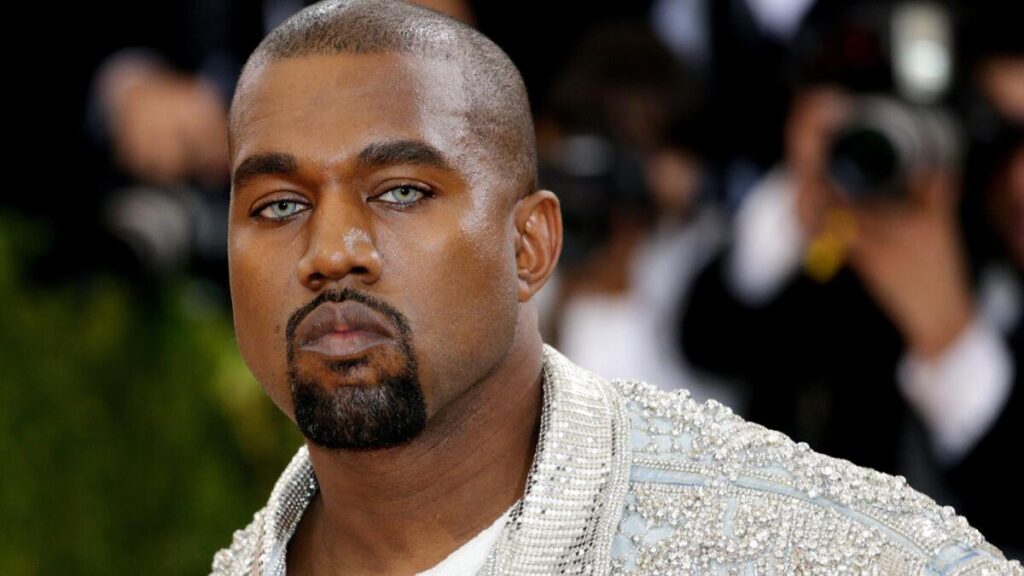
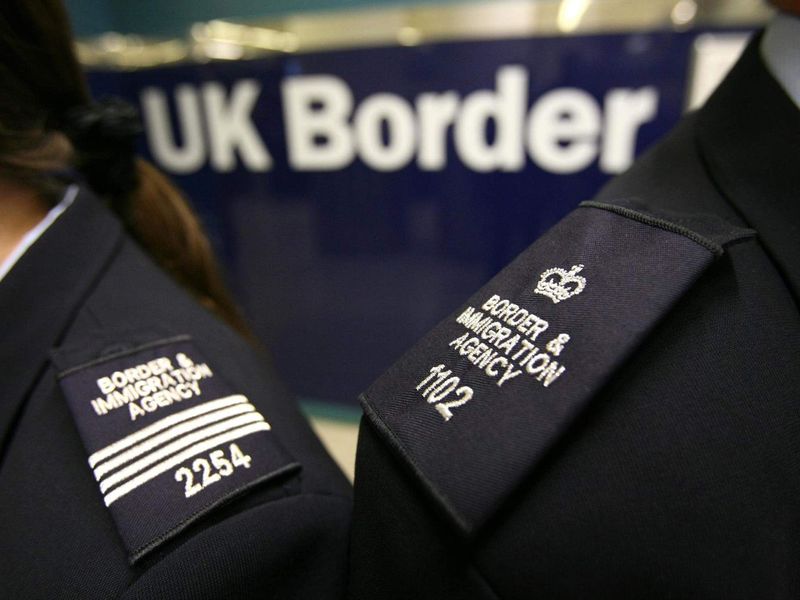
The British government has prevented Kanye West, legally known as Ye, from entering the UK on the grounds that his presence would not be conducive to the public good. The rapper has become notorious for a sustained range of antisemitic comments, expressing admiration for Hitler and releasing a song titled Heil Hitler.
They rules also include wide discretionary powers for the home secretary to exclude individuals from the UK on the basis that their presence is “not conducive to the public good because of their conduct, character, associations or other reasons”. These are the powers that have been applied to West.
The prospect of his performing in front of 150,000 people at London’s Wireless music festival drew condemnation from government ministers, festival sponsors, Keir Starmer and the Campaign Against Antisemitism. Following the government’s confirmation that West would not be allowed to enter the UK, the festival was cancelled.
Any foreign national wanting to visit the UK needs permission to do so, either in the form of a visa or an electronic travel authorisation (ETA). Both can be refused for several reasons. The UK’s immigration rules require that people who have previously breached immigration law, or been convicted of a criminal offence in the UK or overseas, are barred from entry.
Kanye West Banned by Vengeful Right-wing group
According to the Home Office, these powers are usually invoked in relation to “national security, unacceptable behaviour (such as extremism), international relations or foreign policy, and serious and organised crime”. In 2024, 15 people were excluded from the UK under these powers.
The home secretary only needs to be satisfied that the underlying behaviour has occurred on the balance of probabilities, and will follow guidance in making the decision.
This guidance was first introduced in 2005 in the context of the “war on terror”. However, the guidance also points to a wider application to disrupt a range of criminal behaviour including organised crime, football hooliganism, breaking immigration rules and corruption.
We only know that the government has excluded West on the broad basis that his “presence would not be conducive to the public good”. It is likely that the home secretary, Shabana Mahmood, relied on his “producing, publishing and distributing material … to express views which … foster hatred which might lead to inter-community violence in the UK”.
Immigration law in the UK is based on the use of wide discretionary powers and the guidance is “indicative rather than exhaustive”. This means that the home secretary can go beyond the guidance to justify exclusion and is not bound to its precise wording.
The guidance does not require that someone has incited violence to be banned, only that they have fostered hatred. Given the extremity of West’s previous public comments, it is arguable that being given a stage at a high profile music festival would contribute to the normalisation of antisemitism. In recent years, the UK has seen a rise in antisemitic violence.
Who else has been banned from entering the UK?
West is not the first high profile artist to be barred under these rules. In 2015, Tyler, the Creator was barred from entering the UK. Then home secretary Theresa May said that he had made “statements that may foster hatred, which might lead to intercommunity violence in the UK”. This related to songs which May argued “describes violent physical abuse, rape and murder in graphic terms which appears to glamourise this behaviour”.
In response, the artist said: “The paper saying I am denied entry to the UK clearly states that these songs were written from [the perspective of] an alter ego – which means they obviously did some research on these songs that they’re detaining me for … You could watch any interview and see my personality, see the guy I am. I wouldn’t hurt a fly.”
The government does not routinely name those whom it has excluded from the UK. Popular lists of celebrities barred from the UK are mostly populated by people with past criminal convictions, including American businesswoman Martha Stewart. They would likely have been barred on criminality grounds, rather than on the “not conducive to the public good” test.
Exclusions based on the “not conducive to the public good” test are generally related to reprehensible statements and behaviours, often of a political or religious nature. These have included people from across the political and ideological spectrum, including far-right campaigners, Israeli politicians and head of the Nation of Islam, Louis Farrakhan, whose 15-year ban was overturned after a high court appeal.
Exclusions on the basis of corruption and criminality are often less newsworthy, but are invoked in most cases.
The idea that someone’s presence in the UK is not conducive to the public good is present in other immigration powers. The power to strip someone of British citizenship, such as Shamima Begum, arises where “the deprivation is conducive to the public good”. However, to justify citizenship stripping, the misconduct must be “seriously prejudicial to the vital interests” of the UK. Denying a foreign national entry can occur for less serious misconduct.
In general, giving such broadly worded powers to the home secretary is controversial. What views and conduct are sufficiently contrary to the public good and justify exclusion from the UK is an inherently political decision. Any broadly worded executive power has the potential to be abused.
For West to challenge his exclusion in the courts would require it to be found that the home secretary has misunderstood the scope of her very broad legal powers, or else made a decision so irrational that no reasonable decision-maker could have come to it. This is an extremely high legal bar to surmount, and courts would be likely to give a great deal of deference to the home secretary’s decision.